
3 Simple Ways to Incorporate More Fruits & Veggies Into Your Diet
Healthy with Hollin LLC
By Hollin Paige Thompson, MS, RD, LD — Founder, Healthy with Hollin LLC
Whether you’re an athlete or simply focused on feeling your best, one thing remains true: most of us could benefit from eating more fruits and vegetables.
Fruits and veggies play a key role in a balanced diet, providing important nutritional benefits like:
Antioxidants → help reduce the risk of chronic disease
Vitamins
Minerals
Fiber → supports digestion, promotes satiety and overall gut health
They also support immune health and contribute to hydration.
But actually consistently eating fruits and vegetables? That’s where many people struggle.
Between busy schedules, picky eaters, and convenience, it can feel hard to get enough in each day. On top of that, there’s a common misconception that produce must be organic. I’ve heard this firsthand from clients—when organic isn’t affordable, they end up skipping fruits and veggies altogether.
Here’s the good news: it doesn’t have to be complicated. Small, realistic changes can make a big difference—and these tips apply to everyone, including athletes of all ages.
1. Start Your Day with Color
An easy win: build fruits and/or veggies into your breakfast.
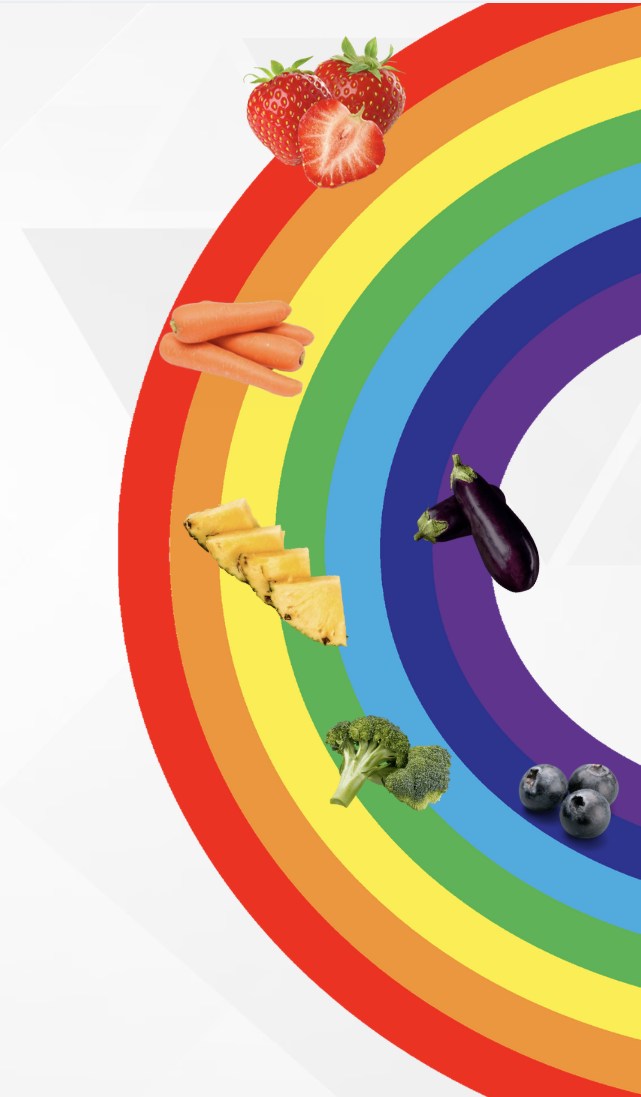
When I say “color,” I mean eating the colors of the rainbow—and no, Skittles don’t count ;)
At Healthy with Hollin, I refer to fruits and veggies as “color.” This is something I learned early in my sports nutrition career, and it stuck.
If you’re struggling with ideas, try:
Oatmeal + nut butter + strawberries, blueberries, or raspberries
Yogurt parfait with berries + granola + nut butter
Smoothie with frozen fruit + spinach + protein powder + yogurt + nut butter
Toast with nut butter or avocado + fruit on the side
Omelet or egg scramble with veggies of choice
Starting your day with color helps you get a serving in early and sets the tone for better choices all day.
2. Add, Don’t Overhaul
Instead of completely changing your meals, simply add color to what you’re already eating.
You don’t have to eat vegetables plain—incorporate them into meals and snacks you already enjoy.
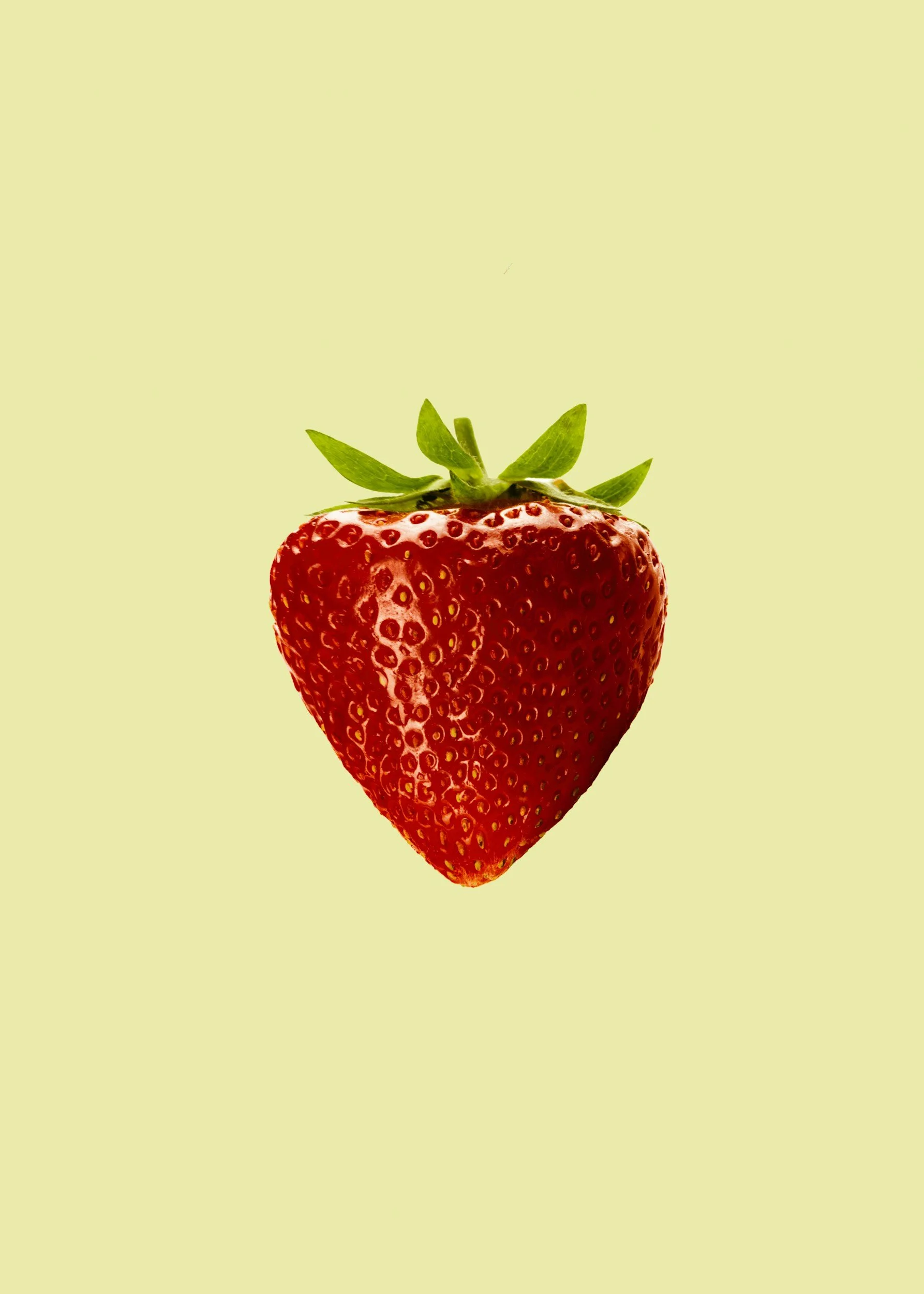
For athletes, fruit is a great pre-fuel option. Since fruit contains mostly simple carbohydrates, it digests quickly and provides fast energy.
Pre-fuel tip:
Aim for 30–60 grams of carbohydrates about 30-60 minutes before training and 20-30 grams of carbohydrates for every 30 minutes during longer training sessions to ensure you are well fueled
Quick reference:
1 banana ≈ 30g carbs
1 applesauce pouch ≈ 15g carbs
1 mandarin orange cup ≈ 15g carbs
More simple ways to add color:
Stir spinach or greens into soups and sauces
Add a side salad to lunch or dinner
Pair carrots or cucumbers with hummus + chips/crackers
Load tacos or casseroles with veggies
Add extra veggies to pasta or rice dishes
Try fruit + nut butter for a snack
Pro tip: Roasting vegetables with olive oil and seasoning can completely transform the flavor—making them more appealing for everyone, including kids.
Why this works: small additions are more realistic and sustainable long-term. Focus on building the habit of including color with meals and snacks.
And remember—give yourself grace. Change takes time.
3. Make Them Easy & Accessible
If fruits and veggies aren’t ready to eat, you’re less likely to reach for them—this applies to both adults and kids.
When they’re prepped and visible, you’re much more likely to eat them.
Set yourself up for success:
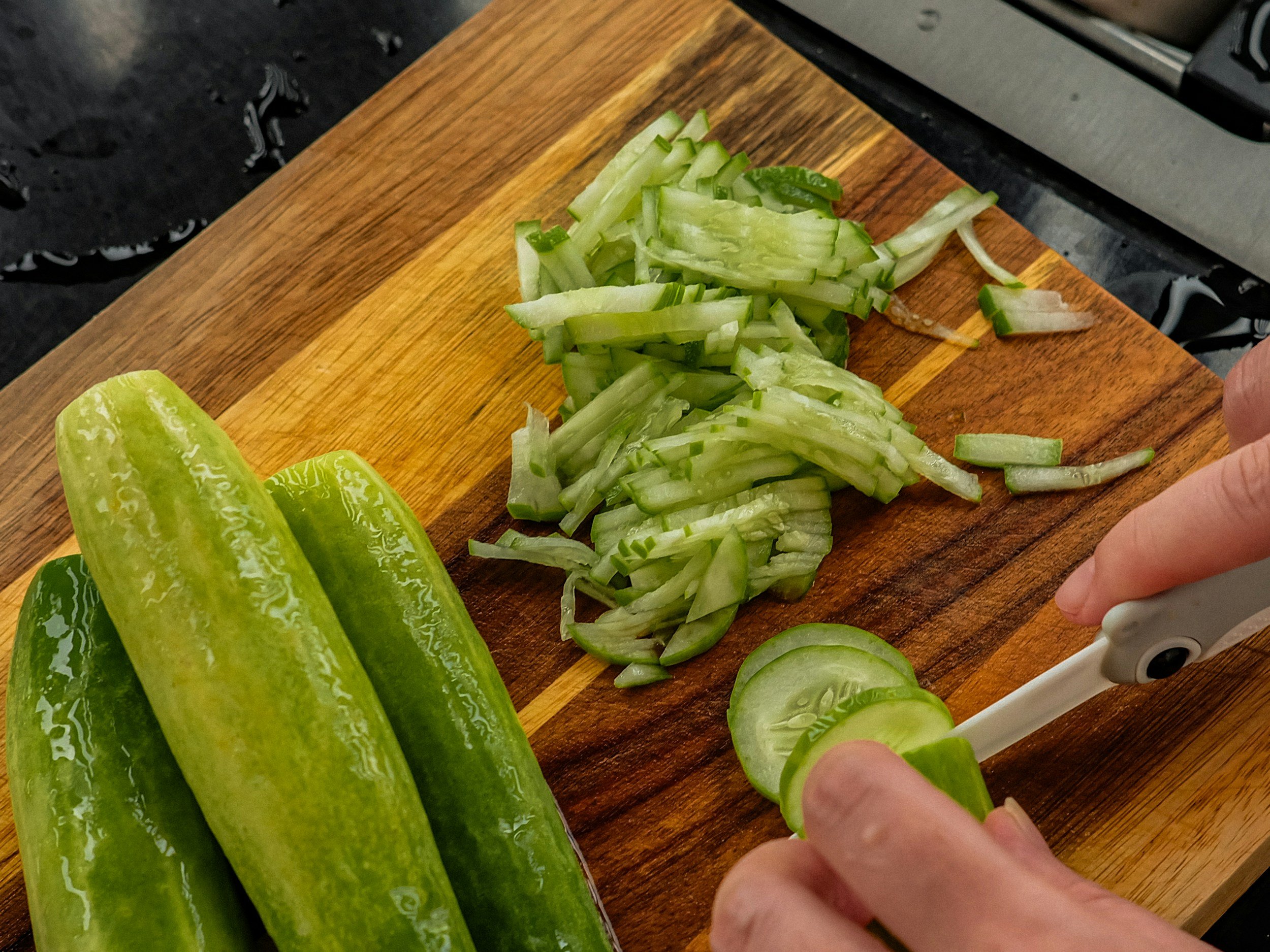
Wash and prep produce ahead of time
Buy fresh, frozen, or canned options
Keep fruits and veggies visible in the fridge
Continue offering them to kids—even if they refuse at first
Make it fun for kids by cutting produce into shapes using small cookie cutters—it can be a total game changer.
You can also:
Add cheese or sauces to veggies
Try different cooking methods (raw, roasted, steamed, sautéed)
You might find you love them prepared a certain way. For example, I prefer Brussels sprouts when they’re crispy and caramelized.
Reminder: Convenience drives consistency.
Final Thoughts
Eating more fruits and vegetables doesn’t require perfection—it requires intention.
Start small. Keep it simple. Focus on what you can add.
Make it a goal to include color on your plate each day.
These habits aren’t just for you—they benefit your entire family. Over time, they can have a lasting impact on your health, your kids’ habits, and your daily energy.
