
Fueling Well With A Busy Schedule
Healthy with Hollin LLC
By Hollin Paige Thompson, MS, RD, LD — Founder, Healthy with Hollin LLC
Back-to-back meetings. Practices. Travel days. Games. Classes. And somehow trying to have a personal life, too.
Skipped meals that turn into “why am I shaky and exhausted at 3 pm?” moments.
When schedules get packed, nutrition is usually the first thing to slide. If you feel like you’re not getting the most out of your training sessions—or you’re hitting an energy slump at any point during the day—there’s a good chance your body is underfueled.
Does this sound familiar? Let’s break down why relying on food to fuel your day matters, especially when life is busy.
Consistent fueling isn’t about perfection—it’s about planning for reality.
The Biggest Fueling Mistakes I See With Athletes
Skipping Meals
Food = calories = energy
Skipping meals often leads to early energy crashes and overeating later in the day. Your body isn’t failing you—it’s communicating with you.
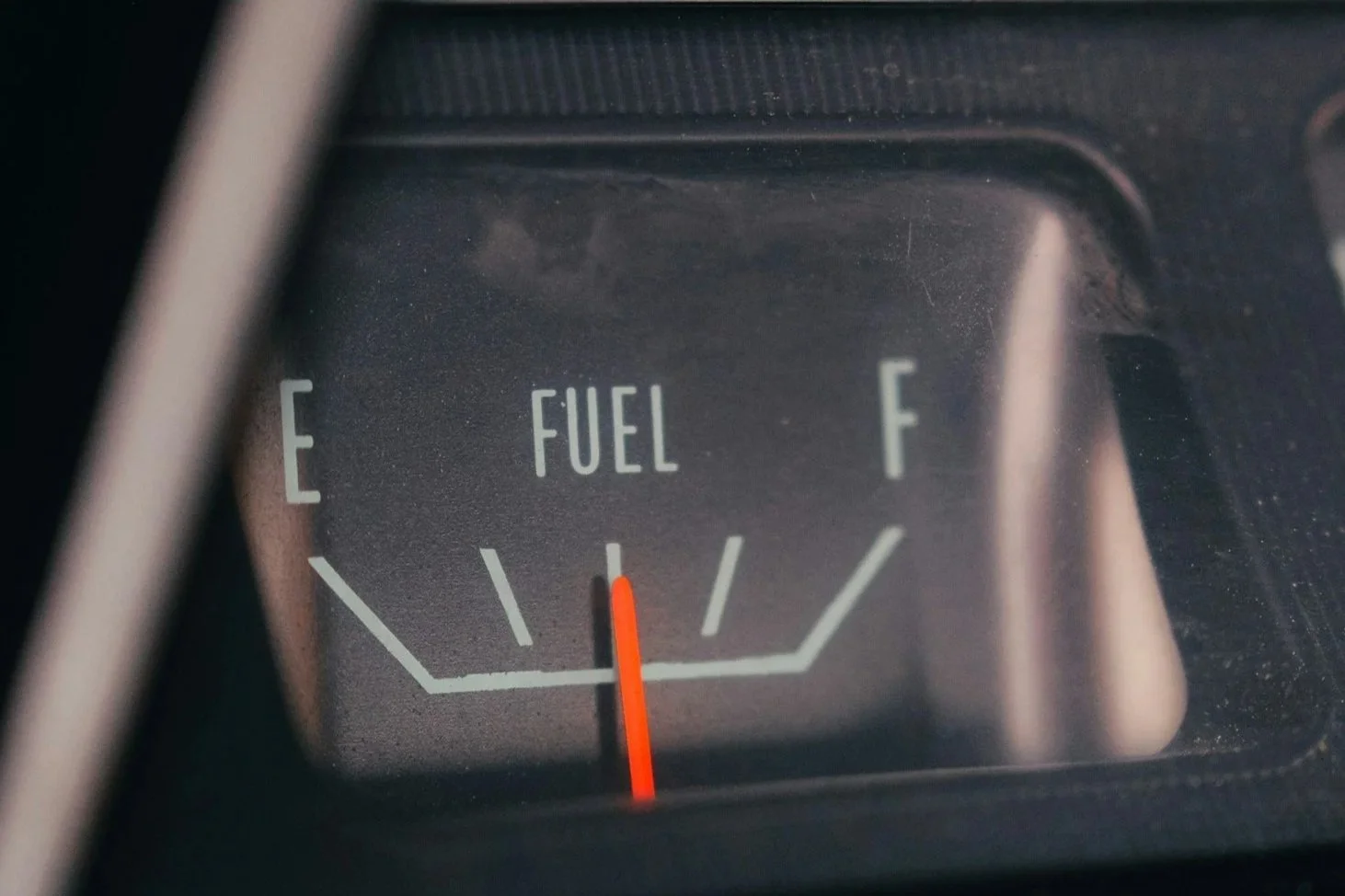
I like to use this analogy:
Your car needs gas to run. You wouldn’t intentionally drive it on empty. Your body works the same way—it needs fuel from food to function properly.
Relying on Caffeine
I get it—I’m a coffee lover, too. A day without coffee feels illegal.
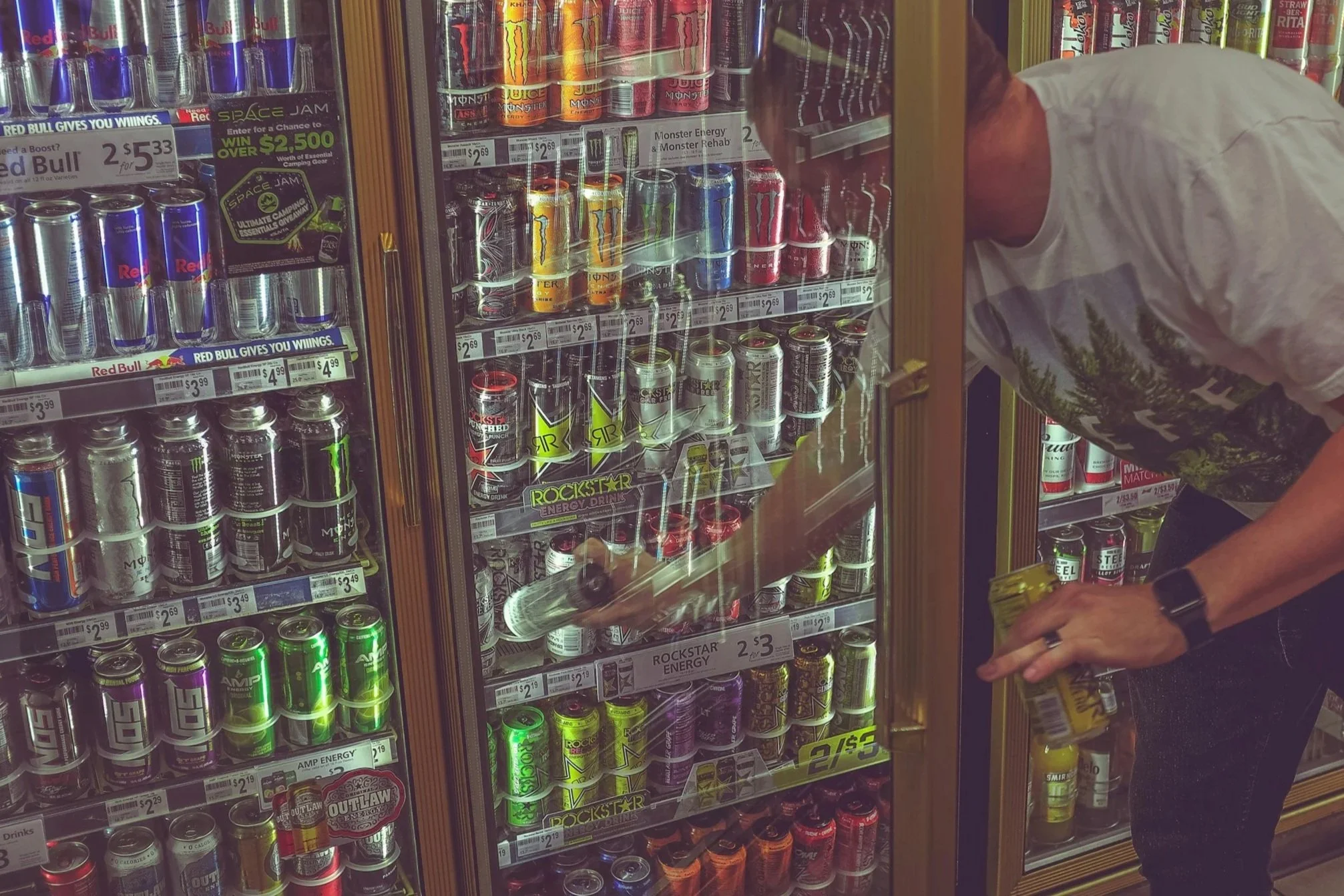
While coffee can absolutely be part of your routine, it should not replace meals, especially before early morning workouts or long days. Caffeine is a stimulant, meaning it can lead to a “crash and burn” effect once it wears off. This goes for your energy drinks too! Not just a Starbucks iced latte.
Competitive athletes be careful here — NCAA considers caffeine a restricted substance. Athletes must know how much caffeine is considered safe, when to consume it, and be aware of not consuming too much of it. A good rule of thumb is always checking to see if your supplements/energy drinks are NSF-certified (third party tested) for athlete safe consumption!
True energy comes from calories in food, not caffeine alone.
Waiting to Eat “When There’s Time”
A common mistake athletes make is putting off eating because they’re busy.
“I’ll just eat at the next meal.”
This approach does more harm than good. Going long stretches without fuel leads to low energy, poor training quality, and difficulty concentrating. Having snacks readily available on busy days helps bridge the gap between meals and keeps your body fueled consistently.

Overcomplicating Fueling
Here’s the truth: your food does not need to be cooked fresh every single time.
Many athletes believe they must prepare three perfectly cooked meals every day using all fresh, organic ingredients. While that would be nice, it’s not realistic or sustainable—especially when you’re balancing school, training, work, and life.
As you get older, responsibilities only increase. Life doesn’t slow down—but your fueling can still be effective without spending hours in the kitchen.
The Fueling Framework
1. Eat Consistently
As an athlete, you should be fueled throughout the entire day—even when it’s busy.
Eating every 3–4 hours is a great rule of thumb. This includes meals and snacks.
Consistent fueling:
Stabilizes blood sugar
Improves focus in class and training
Keeps stress hormones in check
Supports optimal performance and recovery
If a full meal isn’t realistic, aim for a balanced snack (protein + carbohydrate), or drink your calories (ready-to-drink shakes count too!)
Consistency > perfection
2. Build a Performance Plate
Your plate will look different depending on:
In-season vs. off-season
Weight goals (loss, gain, maintenance)
Training intensity (game day vs. rest day)
That said, every performance plate should focus on the following key components:
Carbohydrates (ex. rice, pasta, oats, quinoa)
→ Your body’s main energy source. Low carbs = fatigue.Protein (ex. eggs, chicken, fish, beef)
→ Builds and repairs muscle, helps stabilize blood sugar.Color (fruits and vegetables)
→ Provides antioxidants, fiber, and immune support.
Some additional components matter, too:
Heart-healthy fats (olive oil, avocado) support hormones and organ health
Dairy (if tolerated) adds protein, calcium, and vitamin D for bone strength
Hydration is essential—don’t forget fluids!
3. Plan Grab-and-Go Snacks
Busy schedules demand portable fuel.
I stress to my athletes that packing snacks in your backpack is a MUST. Snacks help maintain energy levels and keep you satisfied until your next meal.
A smart snack includes at least two macronutrients. For example, pairing a protein + carb or protein + fat.
You can always add some color (fruits or veggies) when possible. If a snack requires refrigeration, use an insulated lunch bag for food safety.
Snack ideas:
Uncrustable
Hummus + crackers
Apple + peanut butter
Meat stick + applesauce
Cheese stick + banana
Tip: Set an alarm if you genuinely forget to eat to remind yourself that it’s time to fuel. Every 3–4 hours matters.
Utilize Leftovers
Planning to cook this evening? Double the recipe or if it makes more than one serving, don’t hold back.
Store leftovers in meal prep containers and use them for lunches or dinners over the next few days. This saves time, money, and energy—and ensures you have complete meals ready to go.
Packing a lunch also helps you eat foods you actually enjoy instead of relying solely on dining hall/cafeteria options.
Supplements? Food First—Always
Food should always come first.
Supplements like protein powder to add to your shaker bottle can be helpful when food isn’t available or when you need something quick post-training—but they should never replace meals. Remember to always make sure your supplements are NSF-certified as stated above.
Think: support, not shortcut.
Bottom Line
Fueling with a busy schedule isn’t about doing more—it’s about doing what’s realistic for your schedule.
A well-fueled body leads to:
Better focus
Better training sessions
Better moods
Better overall health
If you’re an athlete struggling to fuel consistently with a busy schedule, that’s where I come in.
As a Sports Dietitian, I help athletes build fueling plans that work with their lifestyle—not against it—so they can perform at their very best.
Schedule a one-on-one nutrition session by filling out my Sports Nutrition Inquiry Form, and I’ll be in touch with next steps!
